





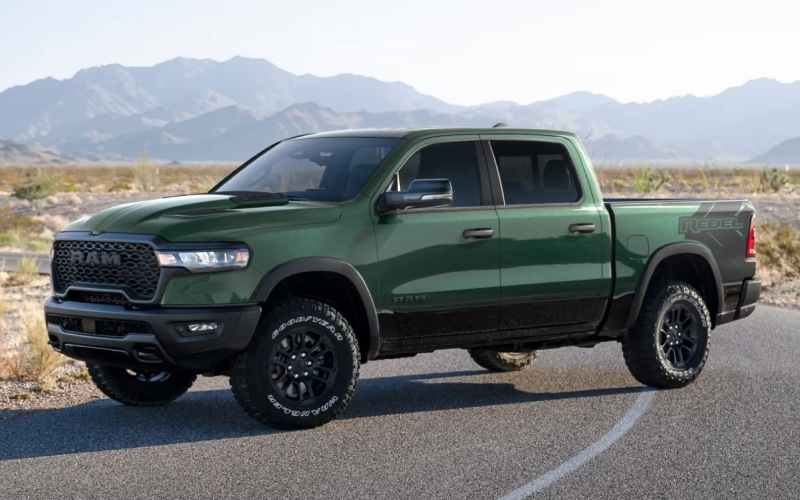
Jay Hatfield Ram – Does the 2026 Ram 1500 or 2026 Toyota Tundra ride smoother and quieter for daily driving around Joplin, MO?
When shoppers compare two modern full-size pickups, ride quality and cabin quiet often determine which truck earns driveway space. This deep dive addresses a common question: which truck rides smoother and feels quieter in daily driving, the Ram 1500 or the Toyota Tundra, especially on the mix of highways, city streets, and rural connectors around Joplin, MO? We’ll look at suspension design, powertrain behavior, noise control, and the cabin tech that impacts how relaxed you feel behind the wheel.
Ride quality fundamentals
Both trucks use a coil-spring rear suspension rather than traditional leaf springs, and that’s a strong starting point for comfort. The Ram 1500’s chassis tuning prioritizes composure over sharp impacts and stays settled with payload on board, which is exactly what you want when your day shifts from errands to a materials run. Steering weighting is natural and linear, so the Ram feels confident at highway speeds without the constant micro-corrections that increase fatigue. The Tundra’s multi-link rear setup rides well and tows confidently too, but in back-to-back test drives, the Ram often feels more tied down over patched asphalt and broken concrete, with fewer secondary motions once you’re past a bump.
Another factor is how the truck manages pitch and dive during braking and acceleration. The Ram’s balance front-to-rear keeps the body level when you roll into the throttle or scrub speed heading into a turn. That composure matters in town and out on US-400 or I-44 alike, because it affects how calm the cabin feels regardless of speed. Tundra is well behaved here, but the Ram’s tuning tends to isolate the cabin just a bit better, reducing the bobbing sensation that can make longer commutes feel longer than they are.
Powertrain smoothness and response
Engine character plays a big role in perceived refinement. Ram offers a suite of engines, including two available 3.0L Hurricane twin-turbo I-6 options and the returning 5.7L HEMI® V8, paired to a transmission that feels decisive yet smooth in everyday driving. That clarity in shift logic prevents hunting between gears on rolling roads and reduces the subtle head-toss that can amplify fatigue. Toyota’s i-FORCE twin-turbo V6 and i-FORCE MAX hybrid deliver strong torque, and the hybrid system’s electric assist helps fill in low-speed response. The difference many drivers note is how quietly and seamlessly Ram’s power builds in normal traffic, with fewer abrupt transitions under light throttle.
On-ramp confidence and quick passes also influence how relaxed you feel. With a 540-hp configuration available, Ram 1500 provides abundant headroom for a decisive merge, while Tundra’s powertrains, though strong, can sound busier under similar throttle input. That doesn’t make the Tundra harsh—it just feels more eager and vocal. If you prefer a powertrain that stays in the background until you call on it, Ram’s tuning typically aligns well with that expectation.
Noise, vibration, and harshness (NVH)
Modern trucks are impressively quiet, but subtle differences emerge over time. In the Ram 1500, careful sealing, strategic insulation, and aero-conscious exterior design help limit wind rush at highway speeds. Road noise is well-controlled, especially over coarse surfaces, and the sense of calm extends to the way the cabin resists small shakes from joints and patches. Tundra does a good job managing wind and road noise too, with especially robust isolation in higher trims; however, Ram’s cabin often feels a touch more hushed, which makes conversations easier and reduces end-of-day fatigue.
Wheel and tire choices can sway the picture in either truck. Aggressive all-terrains add character and off-road bite, but they also introduce tread noise and a firmer impact feel over sharp edges. If ride smoothness and quiet lead your priorities, consider all-season or mild all-terrain options and keep wheel diameters moderate to preserve sidewall compliance.
Cabin design and tech that affect comfort
Seat ergonomics, visibility, and infotainment flow influence how relaxed you feel in traffic and on the open road. Ram’s seats are thoughtfully shaped, with supportive bolsters that curb fidgeting over time. The available passenger-side interactive display lets a co-pilot manage navigation or camera views, reducing driver workload. Toyota counters with an intuitive 14-in. multimedia touchscreen and a clean gauge layout; it’s easy to live with and pairs well with Toyota Safety Sense™ 2.5 features. In practice, the Ram’s broader available display real estate and refined control placements tend to minimize distraction and help you maintain a steady, comfortable rhythm in traffic.
Driver-assist can also improve day-to-day ease. Ram’s available Hands-Free Active Driving Assist (ADA) supports hands-free highway travel on compatible roads, helping keep you centered and reducing the micro-corrections that add up over time. Tundra’s adaptive cruise and lane centering work smoothly, but they require hands-on operation. If you regularly rack up interstate miles or long cross-county trips, the hands-free capability can be a difference-maker in perceived comfort.
How to test-judge ride and quiet quickly
When you schedule back-to-back test drives, use the same route in both trucks. Include a patched surface, a smooth highway segment, and a few stop-and-go scenarios. Pay attention to:
- Small-bump isolation: Do you feel chatter from joints and patches, or is it smoothed over?
- Body control: Does the truck settle quickly after dips and speed humps?
- Steering effort: Is it natural and relaxed on-center, without wandering?
- Cabin noise at 65 mph: Can you hold a conversation easily without raising your voice?
- Powertrain behavior: Are shifts smooth and predictable, with reserve power for quick merges?
Frequently Asked Questions:
Does the Ram 1500 or Toyota Tundra ride better on rough city streets?
Both are comfortable, but many drivers find the Ram 1500 remains more composed over broken pavement, with less secondary motion and a calmer cabin feel.
Which truck is quieter on the highway?
In similarly equipped trims and tires, the Ram often feels slightly quieter thanks to thoughtful insulation and aerodynamic shaping that reduces wind rush.
Will off-road tires make either truck feel harsher?
Yes. Aggressive tread patterns add noise and transmit more impact energy. If comfort is the goal, choose milder all-terrain or all-season tires and avoid upsizing wheel diameter.
Do driver-assist features change the experience?
They can. Ram’s available Hands-Free Active Driving Assist (ADA) reduces driver workload on compatible highways, which makes long trips feel shorter. Tundra’s driver aids are effective but remain hands-on.
If you’re mapping out daily drives across neighborhoods, job sites, and regional highways, the Ram 1500’s blend of suspension tuning, quietness, and intuitive tech tends to deliver a smoother, calmer experience. One route, two trucks, same conditions—that’s the best way to feel the differences for yourself. When you’re ready to compare, Jay Hatfield Chrysler Dodge Jeep Ram can set up a route that mirrors your weekday routine while serving Pittsburg, KS, and Joplin and Carl Junction, MO. Our team will help you choose wheels, tires, and features that keep comfort front and center so your truck feels like the right fit from day one.
Request more 2026 RAM 1500 information
Connect with us


Recent Blog Entries
- Is the 2026 Jeep Compass or 2026 Toyota RAV4 better for daily driving around Carl Junction, MO?
- Is the 2026 RAM 1500 or 2026 Chevrolet Silverado 1500 Better for Towing Comfort Around Pittsburg, KS?
- Does Stow ‘n Go® Seating Make the 2027 Chrysler Pacifica Better for Families near Joplin, MO?
- Does the 2026 Ram 1500 or 2026 Toyota Tundra ride smoother and quieter for daily driving around Joplin, MO?
- Which three-row SUV is better for growing families around Pittsburg, KS: 2026 Jeep Grand Cherokee L or 2026 Ford Explorer?